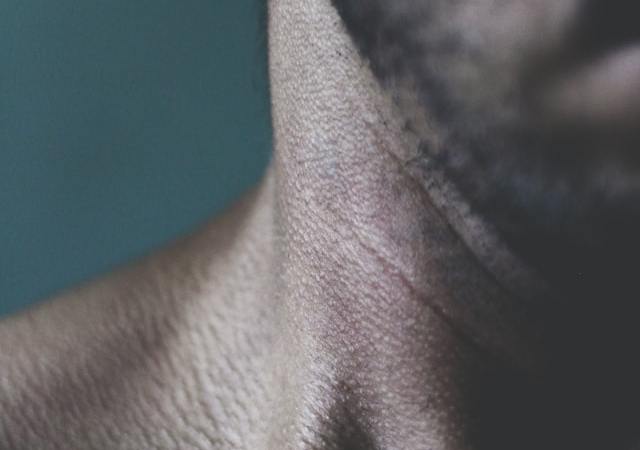
Skin cancer is one of the most common forms of cancer, but it’s also one of the easiest to diagnose and treat if detected ahead of time. One of the best ways to ensure that you catch it early is to perform regular self-examinations as well as to have yearly full-body skin evaluations with a licensed dermatologist. Before you learn how to perform a self-examination, it also helps to learn more about this condition.
Who is at risk of skin cancer?
Although it’s possible for everyone to get skin cancer, some people are more predisposed to the disease than others. If any of the following characteristics apply to you, it’s especially important for you to perform regular self-checks:
- Light-skinned
- Has plenty of freckles, sun spots, and moles
- Works outdoors
- Frequent sun exposure
- Over 40 years old
- Previous diagnosis of basal cell carcinoma, melanoma, or squamous cell carcinoma
- Using immuno-suppressants
What are the types of skin cancer?
There are three main kinds of skin cancer that you should keep an eye out for. These are:
- Basal cell carcinoma: This is the most common kind of skin cancer but also the least risky. It may appear as a flat red or pale patch of skin.
- Squamous cell carcinoma: This type of cancer commonly occurs in people aged 50 years or older. This cancer comes in the form of thick, reddish scaly patches of skin that can crust and bleed. You may also find wart-like bumps and open sores.
- Melanoma: This is the most harmful type of skin cancer since it can spread quickly if you don’t immediately treat it. It may look like a spot on your skin that alters in size, shape, or color. It may also look like a raised bump colored red, brown, or black.
Besides the signs listed above, a good rule of thumb to follow is the ABCDE method:
- A is for Asymmetry
- B is for Border Irregularity
- C is for Color Variation
- D is for Diameter of 6mm or more
- E is for Evolution
What equipment is needed?
You don’t need any fancy equipment to perform a thorough skin self-examination. All you need are the following materials:
- Well-lit room
- Full-length mirror
- Flashlight
- Chair or stool
- Hairdryer
- Handheld mirror
- Body map
- Camera (This is optional if you choose to document any skin changes by taking photographs)
What is the process?
- Head: Closely evaluate your mouth, lips, nose, and ears.
- Scalp: Use your hairdryer and a handheld mirror to push your hair out in sections so you can take a good look at your scalp.
- Hands: Examine the front and back of your hand thoroughly. Don’t forget to check in between your fingers and even under your nails.
- Arms: Start from your elbows and make your way up to your underarms.
- Trunk: Inspect your torso and go all the way up to your neck. Check under your breasts, as well.
- Back: Use your handheld mirror to check the upper and lower sides (including your buttocks) of your back. You can also ask a trusted loved one to help you out.
- Legs: You can sit down for this exam. Examine both your legs starting from the thigh until the feet (including your toenails), and don’t forget to check genitals.
Skin cancer generally has a positive recovery rate, especially if you catch it early. Do yourself a favor and perform regular skin self-examinations on yourself to ensure that your skin is in top shape.
 Talkforhealth.blog